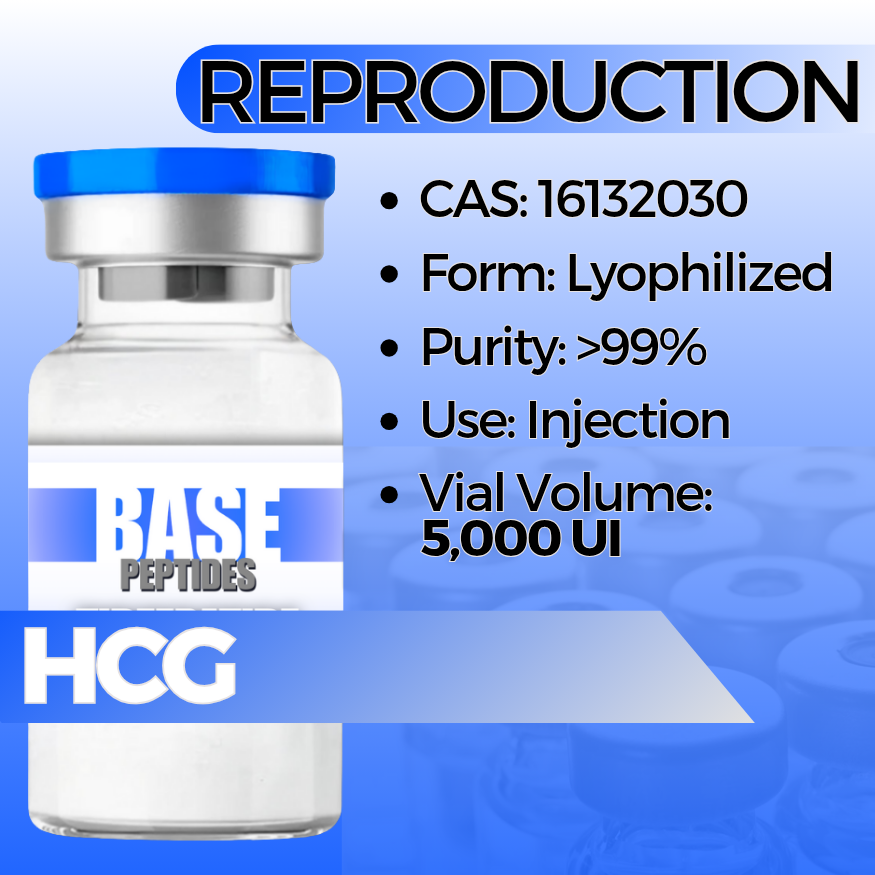
HCG 5000 IU – Overview, Uses, and Research Information
Human chorionic gonadotropin (HCG) is a glycoprotein hormone that plays an important role in endocrine and reproductive biology. It is naturally produced in the body and is structurally similar to luteinizing hormone (LH), which is involved in regulating hormone signaling pathways.
A commonly referenced format in scientific and clinical contexts is HCG 5000 IU, which represents a standardized unit of biological activity used in research and medical reference materials.
What is HCG 5000 iu?
HCG 5000 iu is a hormone composed of protein subunits that interact with LH receptors in the body. It is most commonly associated with reproductive biology, but it is also studied in broader endocrine research.
In laboratory and clinical research settings, HCG is used to better understand:
- Hormone receptor signaling
- Endocrine system regulation
- Steroid hormone production pathways
- Cellular communication in reproductive biology
How HCG 5,000 IU is Used in Research
The 5,000 IU reference format is a standardized measurement used in controlled environments to ensure consistency in experimental design. This allows researchers to accurately compare biological responses across studies.
HCG is often included in research models related to:
- Endocrinology and reproductive system studies
- Hormonal feedback loop analysis
- LH receptor activity research
- Cellular and molecular biology experiments
Biological Function
HCG interacts with LH receptors and can influence signaling pathways involved in steroidogenesis. In biological systems, it is primarily associated with reproductive hormone regulation.
Because of its structural similarity to LH, it is frequently used in comparative studies examining hormone activity and receptor binding behavior.
Research Considerations
In scientific environments, HCG is handled under strict protocols to ensure data reliability. Key considerations include:
- Standardized biological activity (IU measurement)
- Controlled laboratory conditions
- Verified purity and stability in research-grade materials
- Proper documentation in experimental use
These factors help ensure reproducibility and accuracy in scientific findings.
Storage and Handling (General Guidance)
In laboratory settings, peptide hormones like HCG are typically stored under controlled conditions to maintain stability:
- Refrigerated or frozen depending on formulation type
- Protected from light and heat exposure
- Reconstituted only under controlled lab procedures
- Used within validated stability windows
Proper handling is essential for maintaining integrity in research environments.
Regulatory and Safety Note
HCG is a biologically active hormone and is regulated in many countries. It is intended only for approved clinical, veterinary, or laboratory research applications where legally permitted.
It should only be handled by qualified professionals in controlled environments following applicable regulations.
Reviews
There are no reviews yet.