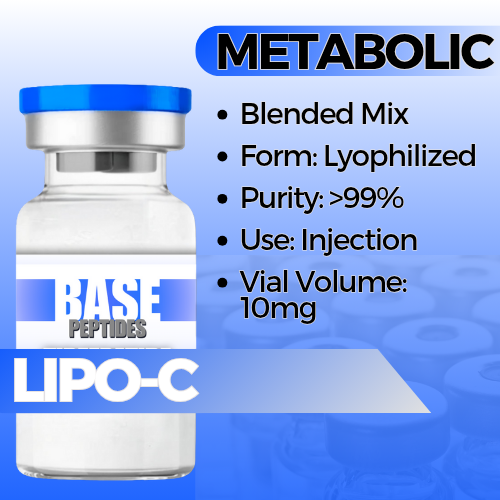
Lipo-C – Lipotropic Compound Overview & Research Information
Lipo-C is a term commonly used to describe a combination of lipotropic compounds that are studied in biochemical and metabolic research. Lipotropic agents are substances that play a role in lipid metabolism, including the breakdown, transport, and processing of fats within biological systems.
In scientific and laboratory contexts, Lipo-C formulations are referenced in studies related to metabolic pathways, liver function mechanisms, and cellular energy regulation. These compounds are typically examined under controlled conditions to understand their biochemical behavior and role in metabolic processes.
What is Lipo-C?
Lipo-C generally refers to a blended formulation of lipotropic compounds, often including nutrients such as amino acids, vitamins, and metabolic cofactors. In research settings, these components are studied individually and in combination to observe their effects on metabolic activity and lipid processing.
Common areas of study include:
- Lipid metabolism pathways
- Methylation cycle processes
- Hepatic (liver) biochemical function
- Cellular energy production mechanisms
Because formulations can vary, Lipo-C is considered a general research category rather than a single standardized compound.
Role of Lipotropic Compounds in Research
Lipotropic compounds are widely studied in metabolic and biochemical research due to their involvement in fat metabolism and transport processes. In laboratory models, these compounds help researchers examine how biological systems regulate lipid utilization.
Key research areas include:
- Fatty acid metabolism pathways
- Lipoprotein transport mechanisms
- Liver enzyme activity studies
- Cellular energy balance research
These studies contribute to a broader understanding of metabolic regulation at the cellular level.
Scientific Applications of Lipo-C Research
In controlled laboratory environments, Lipo-C-related compounds may be used in experimental models focused on:
- Metabolic function analysis
- Hepatic lipid processing studies
- Nutrient cofactor interaction research
- Biochemical pathway mapping
- Cellular energy system modeling
Researchers use these compounds to explore how different biochemical systems interact during energy and fat metabolism.
Key Components Often Associated with Lipo-C
While formulations may vary, lipotropic research blends often involve compounds such as:
- Methionine (amino acid involved in methylation processes)
- Inositol (cell signaling and lipid metabolism roles)
- Choline (fat transport and liver function studies)
- Vitamin B complex derivatives (cofactor activity in metabolism)
Each of these components is studied individually and in combination to understand metabolic interactions in biological systems.
Mechanisms Studied in Research
In laboratory settings, Lipo-C compounds are examined for their involvement in:
- Methyl group transfer processes
- Fatty acid oxidation pathways
- Lipid transport and emulsification
- Enzyme cofactor activity
- Cellular metabolic regulation
These mechanisms are analyzed in controlled experimental environments to better understand biochemical efficiency and metabolic balance.
Importance in Metabolic Research
Lipo-C research is valuable for studying how biological systems process and regulate lipids. Understanding these pathways helps researchers investigate:
- Energy storage and utilization systems
- Liver metabolism efficiency
- Nutrient interaction networks
- Cellular metabolic regulation mechanisms
This research contributes to broader fields such as biochemistry, nutrition science, and molecular biology.
Storage and Handling (Research Context)
In laboratory environments, compounds associated with Lipo-C research are handled under controlled conditions to maintain stability and accuracy:
- Stored in cool, dry environments
- Protected from heat and light exposure
- Prepared using sterile laboratory techniques
- Used according to validated research protocols
Proper handling ensures consistency and reliability in experimental outcomes.
Important Research Disclaimer
Lipo-C and related compounds are intended strictly for laboratory and scientific research use only. They are not approved for human consumption, medical treatment, or diagnostic use. All research must comply with applicable institutional guidelines and local regulations.
Conclusion
Lipo-C represents a category of lipotropic compounds studied in metabolic and biochemical research. Its components are widely analyzed for their roles in lipid metabolism, liver function, and cellular energy processes.
Through controlled laboratory studies, researchers continue to explore how these compounds influence metabolic pathways and contribute to a deeper understanding of biological energy regulation systems.

Reviews
There are no reviews yet.