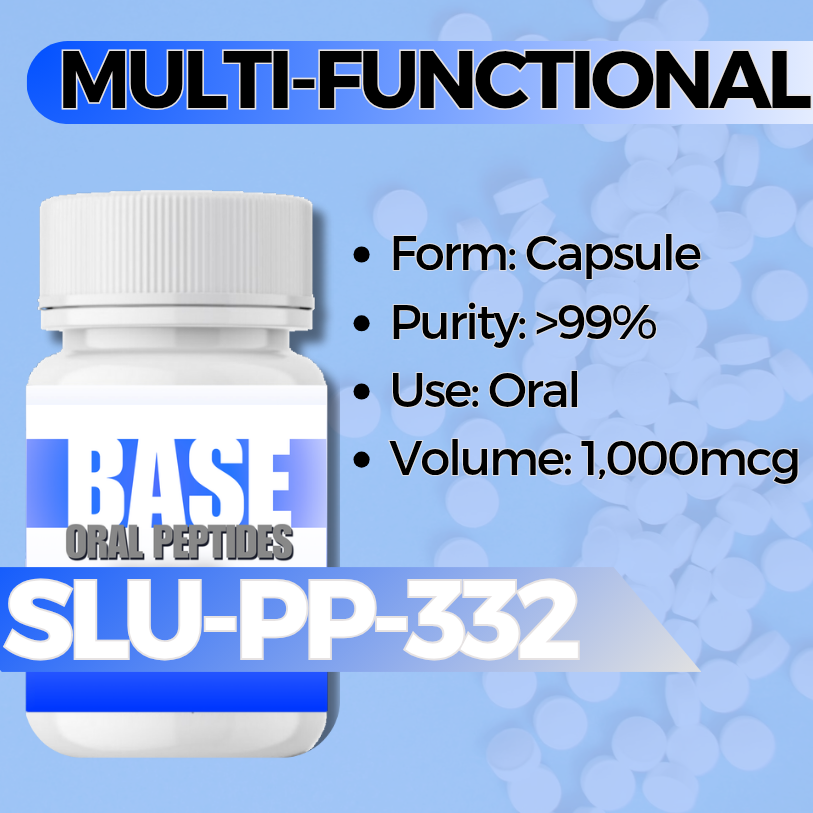
SLU-PP-332 – Research Overview, Mechanism & Scientific Interest
What is SLU-PP-332?
SLU-PP-332 is a synthetic research compound studied in preclinical models for its interaction with metabolic and energy-regulating pathways. It has gained attention in scientific literature as part of ongoing investigations into nuclear receptor activity and cellular energy regulation.
This compound is primarily used in laboratory and experimental research, and is not approved for human consumption or medical use.
Researchers are particularly interested in SLU-PP-332 due to its potential role in influencing metabolic signaling pathways linked to energy expenditure and cellular function.
Scientific Background of SLU-PP-332
SLU-PP-332 is part of a class of experimental molecules designed to explore nuclear receptor modulation, particularly those involved in metabolism and energy balance.
In research settings, compounds like SLU-PP-332 are studied to better understand:
- Metabolic rate regulation
- Fatty acid oxidation pathways
- Mitochondrial energy activity
- Gene expression related to energy expenditure
Its interest comes from how it may influence cellular energy signaling systems in controlled experimental models.
How SLU-PP-332 Works (Research Mechanism)
SLU-PP-332 is believed to act on pathways involved in metabolic transcription regulation, influencing how cells manage energy production and utilization.
AMPK activation→Mitochondrial activity↑→Energy expenditure↑AMPK \ activation \rightarrow Mitochondrial\ activity \uparrow \rightarrow Energy\ expenditure \uparrow
This simplified pathway represents how metabolic research often models energy regulation at the cellular level.
In experimental contexts, researchers investigate whether compounds like SLU-PP-332 can influence:
- Cellular energy output
- Fat oxidation signaling
- Mitochondrial efficiency
- Gene expression related to metabolism
Key Research Areas of SLU-PP-332
SLU-PP-332 is being explored in several scientific disciplines:
1. Metabolic Research
Scientists study how SLU-PP-332 may affect energy balance and metabolic rate regulation in controlled models.
2. Mitochondrial Function Studies
It is used to examine how mitochondria respond to metabolic stress and energy demands.
3. Exercise Physiology Models
Some research explores how metabolic signaling pathways influence endurance and energy utilization.
4. Gene Expression Research
SLU-PP-332 is studied for its potential role in regulating genes associated with lipid metabolism and energy expenditure.
Why Researchers Study SLU-PP-332
The scientific interest in SLU-PP 332 comes from its potential to help model complex biological processes such as:
- Energy homeostasis
- Fat metabolism regulation
- Cellular adaptation to energy demand
- Nuclear receptor signaling pathways
By studying these mechanisms, researchers can better understand how the body regulates energy at a molecular level.
Key Properties in Research Settings
SLU-PP 332 is of interest in laboratory research due to:
- Activity in metabolic signaling pathways
- Potential influence on energy regulation systems
- Use in preclinical experimental models
- Relevance to mitochondrial research studies
These properties make it a useful tool for investigating metabolic biology.
Safety and Regulatory Status
SLU-PP 332 is strictly classified as a research-use-only compound.
It is not approved for:
- Human consumption
- Medical treatment
- Dietary or wellness use
Because it is still under early-stage scientific investigation, safety profiles in humans are not established.
Researchers are advised to handle it only in controlled laboratory environments following institutional guidelines.
Storage and Handling (Research Context)
To maintain stability in laboratory conditions:
- Store in a cool, dry environment
- Keep away from heat and light exposure
- Ensure containers are tightly sealed
- Follow proper laboratory safety protocols
Proper storage helps ensure consistency in experimental results.
Importance in Modern Metabolic Research
SLU-PP 332 contributes to ongoing scientific efforts to understand:
- How cells regulate energy usage
- How mitochondria adapt to metabolic demand
- How nuclear receptors influence gene expression
- How metabolic pathways interact with lifestyle factors
This makes it part of a broader field of research into energy metabolism and cellular efficiency.
Conclusion
SLU-PP 332 is an experimental compound studied for its potential role in metabolic and cellular energy pathways. While still in early research stages, it provides scientists with a tool to explore how energy balance, mitochondrial function, and gene expression interact at a molecular level.
Its value lies in controlled laboratory research aimed at expanding understanding of metabolism and cellular biology.


Reviews
There are no reviews yet.